

Lego biologique : des scientifiques construisent de toutes pièces une cellule artificielle capable de manger et de grandir
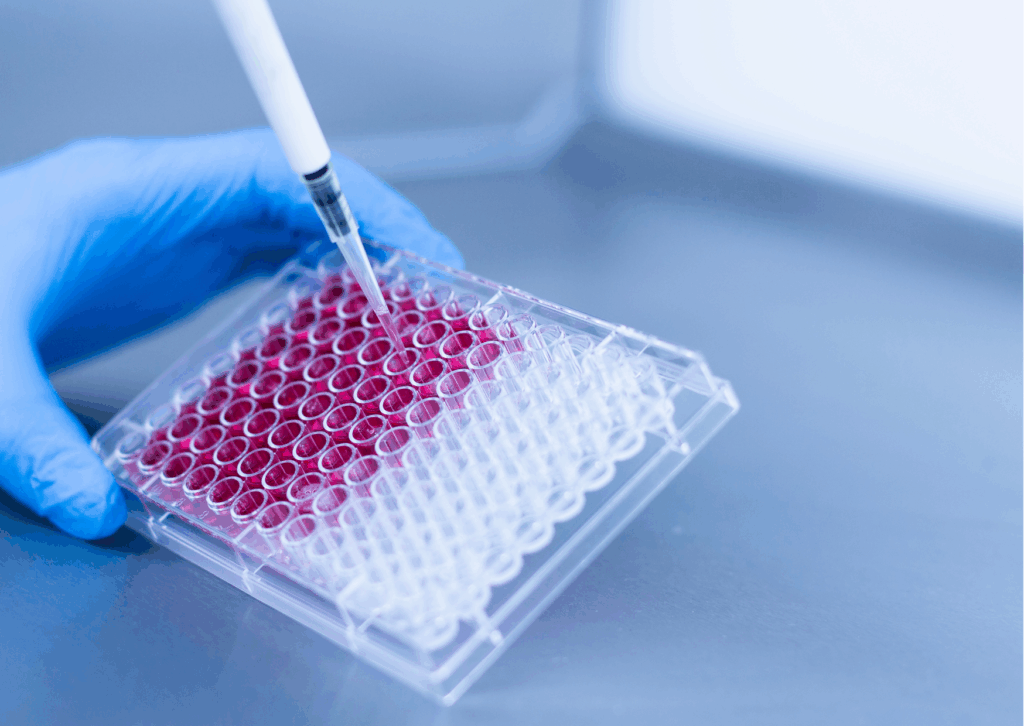
Des chercheurs aux États-Unis ont réussi pour la première fois à construire une cellule synthétique à partir de composants chimiques non vivants, présentant des comportements semblables à ceux du vivant et capable de se nourrir,…
Évaluation
A team of American researchers has constructed a synthetic cell from non-living chemical components, marking a breakthrough in bottom-up synthetic biology. The cell, named SpudCell, can feed, grow, and divide using only 150 to 200 molecules. The developers aim to make it an open-source global platform to accelerate the bio-economy industry, while insisting its simplicity and total dependence on external feeding eliminate biosafety risks. The key question is whether this minimal cell can be reliably scaled and programmed for real-world industrial applications without unintended evolutionary drift.