

Lego biológico: científicos construyeron desde cero una célula artificial capaz de comer y crecer
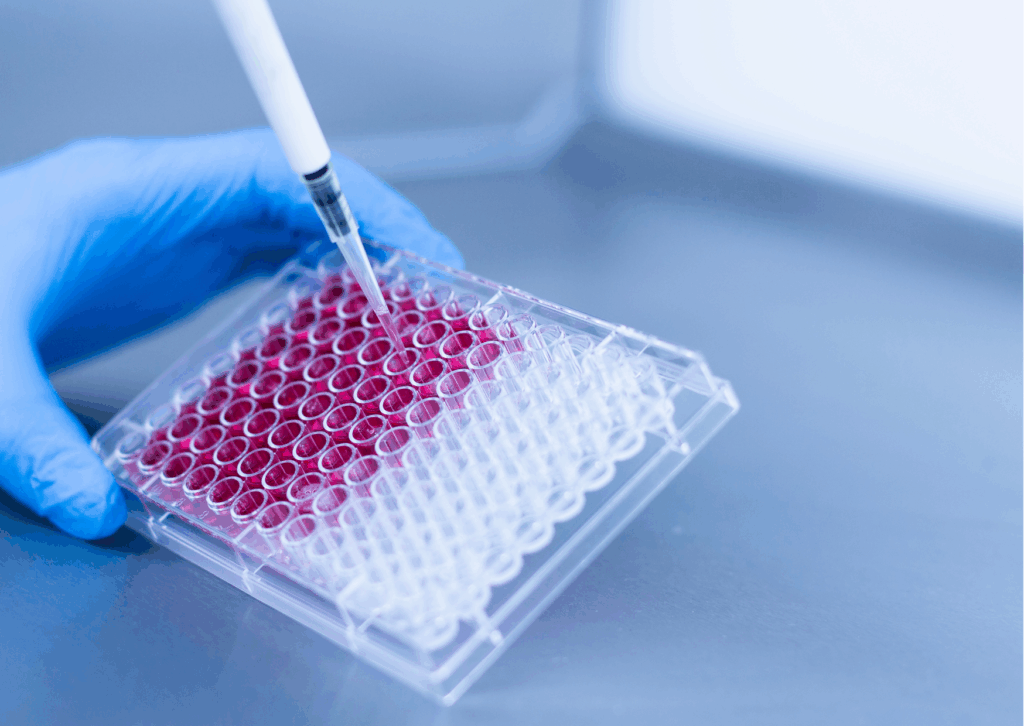
Investigadores en Estados Unidos lograron construir por primera vez una célula sintética a partir de componentes químicos no vivos, que exhibe comportamientos similares a los de la vida y es capaz de alimentarse, crecer y…
Valoración
A team of American researchers has constructed a synthetic cell from non-living chemical components, marking a breakthrough in bottom-up synthetic biology. The cell, named SpudCell, can feed, grow, and divide using only 150 to 200 molecules. The developers aim to make it an open-source global platform to accelerate the bio-economy industry, while insisting its simplicity and total dependence on external feeding eliminate biosafety risks. The key question is whether this minimal cell can be reliably scaled and programmed for real-world industrial applications without unintended evolutionary drift.